HEAT RECOVERY

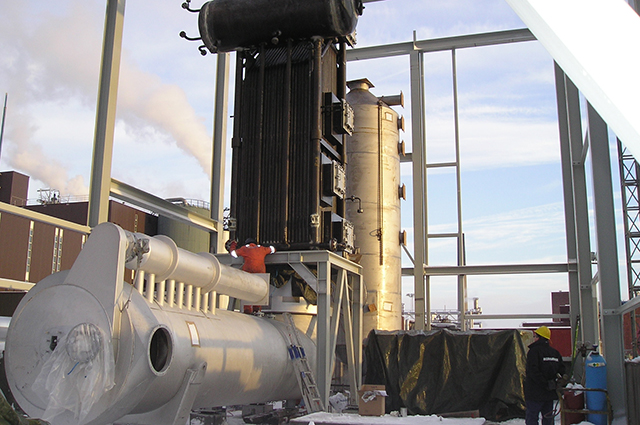
Our system integrates a waste heat boiler to efficiently cool hot SO2 gas after sulphur burning to generate high-pressure steam.

What makes this solution beneficial is its ability to turn waste heat into a useful energy source. The generated steam can be utilized elsewhere in the process plant, reducing the need for additional energy inputs and lowering overall operational costs.

By recovering and reusing energy that would otherwise be lost, this approach significantly improves sustainability. It minimizes thermal waste, reduces water consumption, and contributes to a more energy-efficient and environmentally responsible operation.

Technical manager

Kajsa Wahlgren

Kajsa Wahlgren

Process Engineer

NORAM INTERNATIONAL AB
Gruvgatan 35, SE-421 30 Västra Frölunda, Sweden
M: +46 (0) 721 72 75 03
D: +46 (0) 31 757 40 23
E-mail

Sales

Erik Cleverstam

Erik Cleverstam

Sales Manager, Project

NORAM INTERNATIONAL AB
Gruvgatan 35, SE-421 30 Västra Frölunda, Sweden
M: +46 (0) 721 72 75 01
D: +46 (0) 31 757 40 16
E-mail

Improves overall process sustainability

Reduces water consumption

Our business areas

Sulphuric Acid

NORAM provides innovative process technology, engineering and equipment to metallurgical, sulphur-burning and acid regeneration acid plants. NORAM’s equipment and systems, reduce environmental emissions, increase energy efficiency , increase capacity and improve plant reliability of plants of all scales around the world.

READ MORE

Sulphur Dioxide

With more than 180 plants installed all over the world – the Cellchem sulphur burning plants are one of the most used technologies for production of sulphur dioxide (SO2). Available standard capacities range from 0.5 to 100 metric tons of sulphur burned per day and the design can be tailored to produce several downstream SO2 products.

READ MORE

Pulp & Paper

NORAM offers a broad range of specialty technologies to the forest products industry. Our P&P Division has two key focus areas: the downstream beneficiation of forest products to extract increased value, and in System Closure methodologies, targeting chemical recovery and zero-effluent strategies.

READ MORE